

Restaurant Booking Deposits Explained: What They Are & When to Use Them
Restaurant booking deposits are becoming standard across the UK hospitality industry — not to punish guests, but to reduce no-shows, protect revenue, and give venues more certainty during busy services.
This guide explains how booking deposits work, when to use them, and how modern booking systems (including Dojo Bookings) apply them fairly.
What Is a Restaurant Booking Deposit?
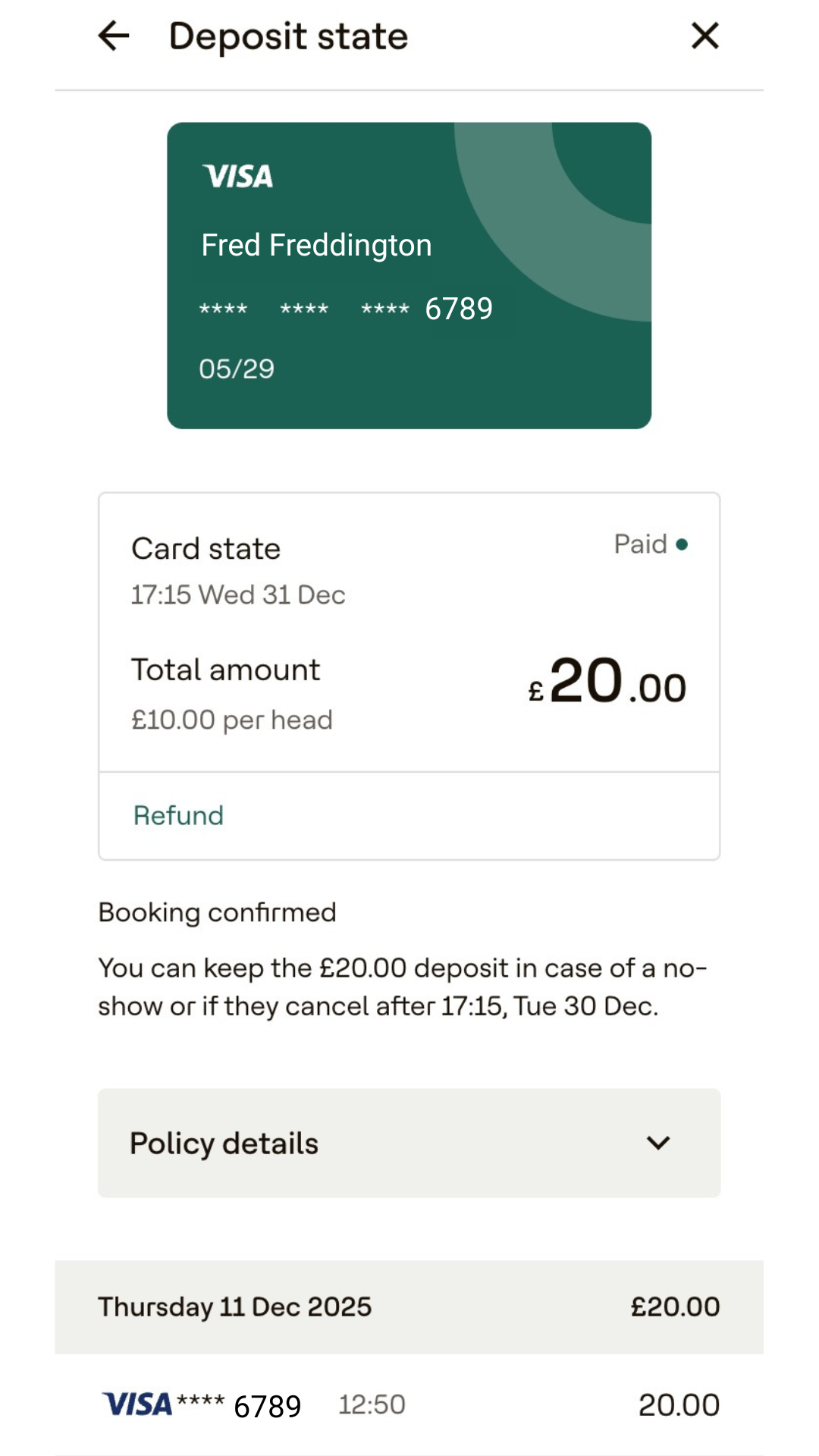
A booking deposit is a small upfront payment taken at the time a reservation is made.
● Usually £5–£20 per person
● Sometimes replaced by a card pre-authorisation
● Refunded or deducted from the final bill when guests attend
Deposits are only charged if the guest doesn’t show or cancels late, depending on your rules.
Why Restaurants Use Deposits
1. Reduce No-Shows
No-shows cost UK restaurants thousands per year, especially on Fridays, Saturdays, and special dates.
2. Protect Peak Services
Deposits are often applied only:
● Evenings
● Weekends
● Large tables
● Key calendar dates (Valentine’s, Christmas, Mother’s Day)
3. Fairness to Other Guests
When one table doesn’t arrive, another guest may have missed out.
Deposit vs Card Pre-Authorisation
| Option | How it works | Best for |
|---|---|---|
| Deposit | Guest pays upfront | High no-show venues |
| Pre-authorisation | Card validated, not charged | Softer guest experience |
Modern systems allow either option, or both.
Are Deposits Bad for Customer Experience?
Short answer: no — when done properly.
Good practice includes:
● Clear messaging at booking
● Reasonable amounts
● Flexible cancellation windows
● Only applying deposits when justified
When guests understand why deposits exist, complaints are rare.
How Dojo Bookings Handles Deposits
Dojo Bookings allows restaurants to:
● Apply deposits selectively
● Set custom cancellation cut-offs
● Use pre-authorisations instead of charges
● Integrate deposits with table rules
All without per-cover fees.
When Should You Use Deposits?
Deposits make sense if:
● You experience regular no-shows
● You turn tables once per service
● You take large group bookings
● You rely on weekends for margin
They are not always needed for walk-in cafés or daytime-only venues.
Are Booking Deposits Legal in the UK?
Yes — provided:
● Terms are clearly shown
● Cancellation rules are fair
● Refunds are honoured when conditions are met
Modern systems handle this automatically.
Summary: Deposits Are a Tool, Not a Tax
Booking deposits:
● Protect revenue
● Reduce stress for staff
● Improve table utilisation
Used correctly, they support hospitality rather than harm it.